Tree Removal With a Clear Plan
Request a tree removal appointment
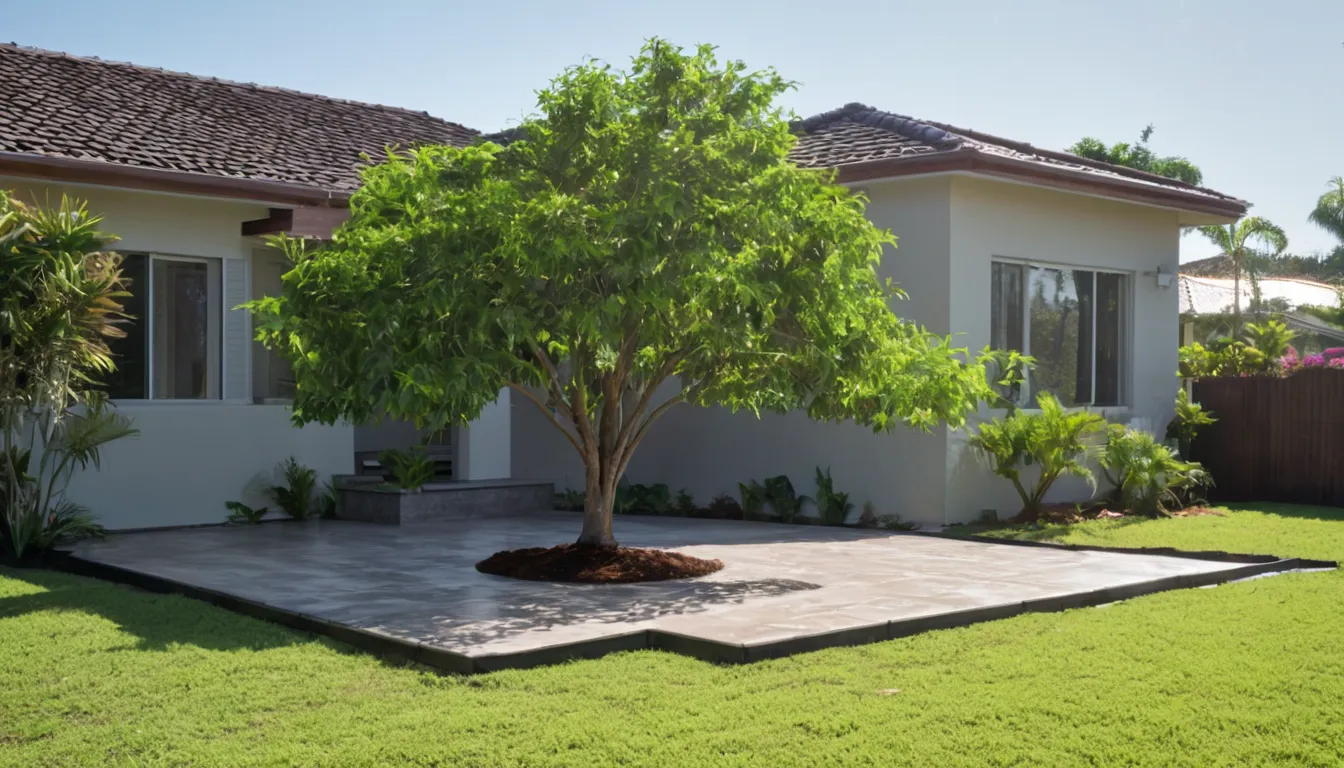
A tree close to your home can raise hard questions. Is it safe to leave standing? Can it come down without damage to the roof or fence? What should you move first? Nobodymile Tree Service connects homeowners in Gulfport with independent local tree removal providers. We make the connection. The provider checks the tree, decides how to handle it, and gives you a price. You choose whether to hire that provider.
Your part starts with clear details, not cutting tools. Describe where the tree stands and what sits beneath it. Mention tight gates, nearby wires, or a shared fence. Take photos only from a safe spot. A local provider can explain the equipment needed, the access route, and the cleanup included. Ask for those details in writing before you agree to an appointment.
Stay back from a tree that has shifted
A new lean, a split trunk, or soil lifting near the roots needs attention before you plan any yard work. Keep people and pets away. Do not walk beneath loose limbs to get a closer photo. If a tree touches a power line, stay clear and contact the utility. Leave the condition assessment to a provider.
Ask for a tree removal assessment
For tree removal in Gulfport, start by describing the concern and asking for an appointment. Say whether the tree is standing, leaning, or showing damage. Explain what it could strike. If the situation involves a fresh collapse or active danger, name that first so your request is not treated as a routine yard project.
Know who handles your request
Nobodymile Tree Service is a referral service. Your request is for a connection with an independent local provider, not work performed by Nobodymile Tree Service. Providers in our network handle their own assessments, quotes, and appointments. When a call is routed to a provider, confirm the business name and who you should contact about the job before discussing dates or payment.
Explain why the tree concerns you
A dead tree, a damaged trunk, or a tree crowding planned building work may prompt a removal request. Roots near a slab or branches over a tile roof can also raise concerns. Those signs alone do not settle the decision. Ask the provider what they can assess and whether another tree specialist should review its condition.
Leave cutting to the provider
A tree can look small from the ground and still fall far enough to hit a home. Weight, decay, and tangled branches can change how it moves. Do not test it with a saw, rope, or vehicle. Searches for a tree falling service often mean full removal; explain that you need the whole tree assessed before any cutting starts.
Share details from a safe spot
Useful photos show the whole tree, its base, and nearby structures. Take them only where you can stand safely. Give a rough size if you know it, but do not climb or measure beneath suspect limbs. Mention wires, roof edges, pools, and fences. These details help the provider understand the site before arranging a visit.
Describe the route into your yard
Tell the provider about narrow gates, steps, soft ground, and space between homes. A truck may reach the driveway while larger equipment cannot reach the tree. Point out buried irrigation or other known yard features. Ask which access route the provider expects to use and whether anything needs moving before work can begin.
Check permission before setting a date
Local tree rules can depend on the tree's size, type, condition, and location. Ask the local authority which requirements apply to your property. A condo association or neighborhood agreement may add another step. If the trunk sits near a property line, settle ownership and access first. Get written agreement on who handles any required permit.
Review how the tree comes down
Some trees have space to come down in a clear area. Others need removal in sections. Rigging means ropes and other gear used to control cut pieces. Ask the provider to explain the proposed method in plain words. You do not need cutting instructions; you need to understand where work happens and which areas must stay clear.
Ask how nearby surfaces are protected
Tile roofs, screen enclosures, paved paths, and slab edges deserve a specific discussion. Ask where equipment will sit and how cut wood will be moved out. Ground protection means mats or similar materials placed beneath equipment. Find out whether it is planned, what it can protect, and what marks or repair work may remain afterward.
Make room for weather changes
Frequent summer storms can affect an outdoor work plan. Wet soil may limit equipment access, while wind or lightning can interrupt cutting. Ask how the provider handles weather changes and who contacts you about a revised appointment. Before hurricane season, discuss a concerning standing tree early enough to allow for assessment, permissions, and scheduling.
Read the quote by task
Tree height matters, but access and nearby obstacles can change the price too. Check whether the written quote includes cutting, lowering sections, hauling wood, and collecting smaller debris. Ask about equipment charges and permit costs. A short price with no scope leaves questions open. Compare quotes for the same tasks before choosing a provider.
Prepare only outside the work area
Ask the provider what you can move safely before arrival. This may include vehicles, patio chairs, and loose toys well away from the tree. Keep pets indoors and arrange another path through the yard. Do not clear branches beneath a damaged tree yourself. Confirm whether the provider needs gate access and whether you need to be home.
Agree on what stays behind
Removing a tree does not describe every cleanup task. Ask whether logs leave the property or stay in a chosen spot. Confirm how small branches and loose debris are handled. If you want wood kept, discuss sizes and placement before cutting begins. Make sure the quote states what happens to the base of the tree.
Review the finished space together
Before the provider leaves, compare the work with the written scope. Check the agreed access route and cleanup areas from a safe position. Raise any missing task with the provider and keep the quote and payment record. If you plan to plant again or use the space differently, ask what site conditions need attention first.
What's Included
Tree Condition Check
Ask the provider to assess visible concerns and explain what they mean for your proposed tree removal project.
Access Review
Discuss gates, yard space, and nearby structures so the provider can plan a suitable route for equipment.
Written Work Scope
Request a quote that lists cutting, wood handling, cleanup, and any separate charges before you hire the provider.
Cleanup Choices
Agree with the provider on which materials leave your property and where any retained wood should go.
What Tree Removal May Cost
These typical U.S. ranges are broad planning guides, not quotes for your property. Tree size, condition, access, and equipment affect the total. Ask a local provider for a written quote after assessing the job.
| Removal scenario | Typical U.S. range | What affects the price |
|---|---|---|
| Small tree with open access | $200 – $600 | Height, trunk size, and hauling needs. |
| Medium tree with open access | $400 – $1,200 | Branch spread and the amount of wood. |
| Large tree | $800 – $2,500 | Tree condition, equipment, and removal method. |
| Very large tree | $1,500 – $4,000 | Heavy sections and site constraints can add work. |
| Tree close to a structure | $1,000 – $3,500 | Controlled lowering and limited working space. |
| Removal requiring a crane | $2,000 – $5,000 or more | Crane access, setup, and job complexity. |
How It Works
Describe Your Tree
Share its location, visible concerns, and nearby obstacles through the request form or during your initial conversation.
Speak With a Local Provider
Confirm who is handling your request, then discuss availability for a tree removal assessment appointment.
Review the Quote
Check the proposed work, access needs, cleanup terms, and total price before accepting the provider's offer.
Confirm Your Visit Details
Arrange the appointment with the provider and follow their guidance for safe access and household preparation.
Why Call Nobodymile Tree Service
Clear Roles
Nobodymile Tree Service makes the connection; the independent provider assesses your tree, sets the price, and performs the agreed work.
Useful Prep
Learn which details to share before a visit without taking on risky cutting or climbing.
Defined Tasks
Ask about each part of removal so the written quote matches what you want done at your property.
Your Choice
Review the provider's proposal and decide whether its scope and price suit your project.
Other Services
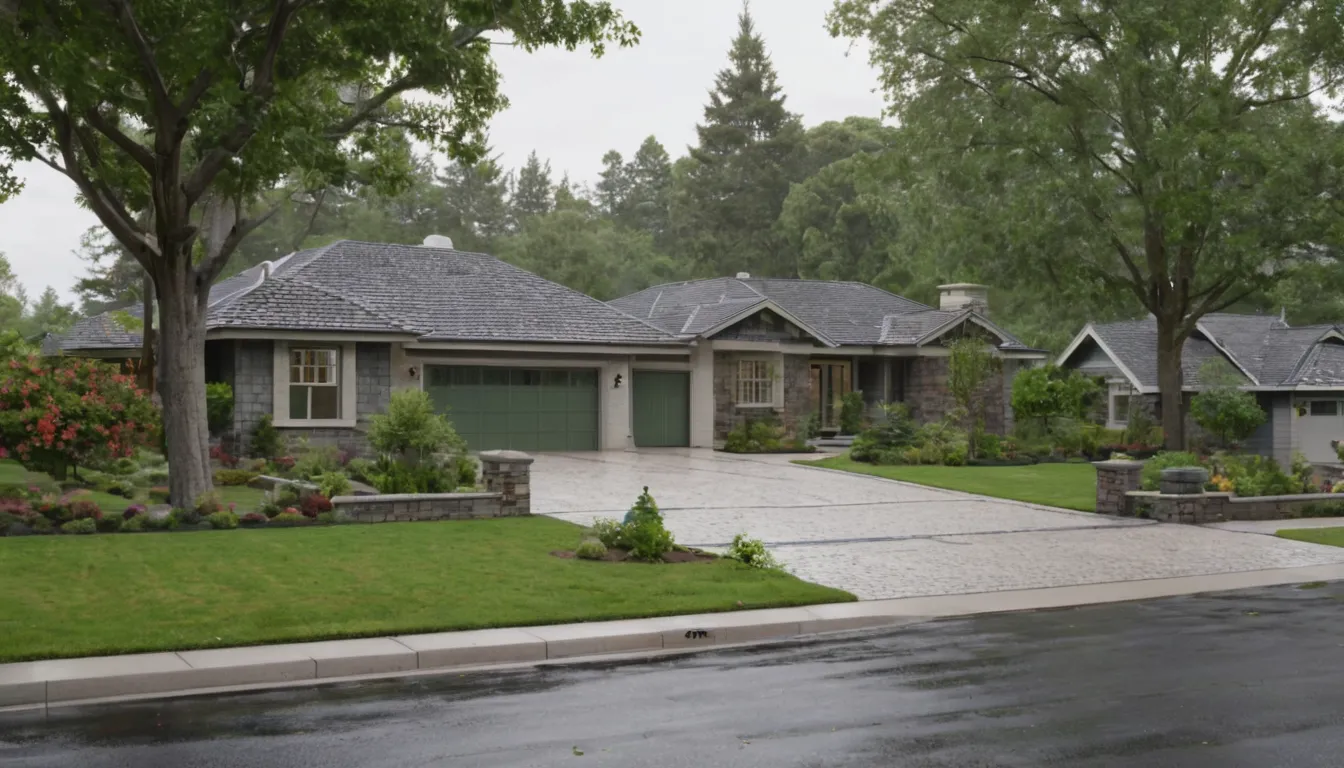
Need tree removal in Gulfport?
Describe the tree, your property access, and the work you want done. Request a connection with a local provider serving your area.
No obligationTree Removal FAQ
Can I remove a tree myself if it is small?
Size alone does not tell you whether removal is safe. A small tree can reach wires, a roof, or a shared fence. Ask a provider to assess it. Keep your own prep to safe tasks outside the proposed work area.
Do I need a permit for tree removal in Gulfport?
Permit requirements depend on local rules and the tree involved. Check with the local authority before cutting. Also review any association rules. Ask the provider to state who handles required approvals in the written quote.
Does Nobodymile Tree Service remove the tree or just find a provider?
Nobodymile Tree Service connects you with independent local tree removal providers. The provider assesses the site, offers a quote, and performs the work if you hire them. Confirm appointment details, payment terms, and questions about the job directly with that provider.
Get in touch
Describe the tree, your property access, and the work you want done. Request a connection with a local provider serving your area.
No obligation